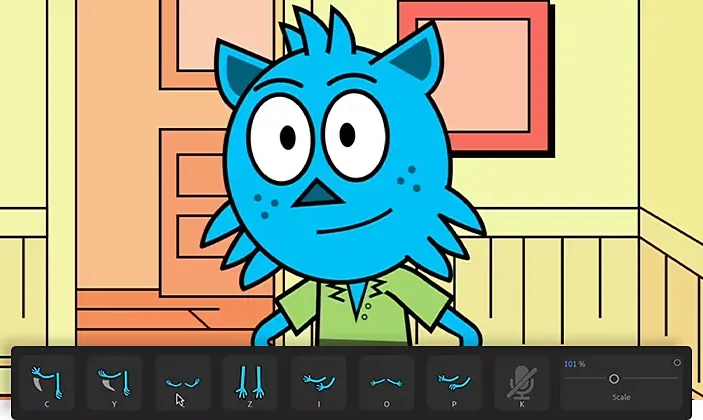
There was a time, not too long ago, when the internet was a static library. We scrolled through endless walls of text, punctuated only by the occasional grainy photograph. But the way we consume information has undergone a tectonic shift. Today, our eyes are trained to look for movement. Whether it’s a subtle hover effect on a website or a cinematic sequence on social media, movement captures the human brain in a way that a still image never could. It taps into our primal instincts, our ancestors had to notice movement to survive, and today, we notice it to stay engaged.
For creators and business owners, this shift presents both a challenge and a massive opportunity. We are no longer just competing with other brands; we are competing with the “infinite scroll” and the shrinking human attention span. To stop the thumb from moving, you need something that pops. This is where video animation comes into play as a bridge between a simple idea and a memorable brand experience. By turning static concepts into fluid narratives, you can explain complex products in seconds or evoke an emotional response that builds genuine trust with your audience.
The Psychology Behind Why We Can’t Look Away
Why does movement work so much better than text? It comes down to cognitive load. When we read, our brains have to work hard to decode symbols into meaning. When we watch something move, the brain processes the information much faster.
Animation, specifically, allows for a level of abstraction that live-action video doesn’t. You can use characters that represent your audience without being limited by the “uncanny valley” or the costs of a high-end film crew. It creates a friendly, approachable atmosphere. Think about the last time you saw a “How It Works” video for a new app. If it was a person talking at a desk, you might have tuned out. If it was a vibrant, moving illustration showing the data flowing through the cloud, you likely understood the concept instantly.
Breaking the “Too Expensive” Myth
For years, high-quality motion graphics were the exclusive playground of big-budget corporations. You needed a dedicated studio, expensive hardware, and months of lead time. But the democratization of creative tools has changed the landscape entirely.
Today, the “prosumer” can produce content that looks like it came out of a boutique agency in London or New York. The secret isn’t necessarily in having the most expensive software; it’s in understanding the principles of timing and spacing. Even a simple slide-in transition, when timed correctly, can make a piece of content feel premium.
Actionable Tips for Better Visual Content
If you’re looking to integrate more movement into your digital presence, keep these professional tips in mind:
- Start with the Script, Not the Visuals: A common mistake is starting with the “cool” effects. Always start with the story. What is the one thing you want the viewer to feel or do? Write it down. If the story is weak, no amount of flashy movement will save it.
- Keep it Brief: On social media, you have about three seconds to hook someone. Don’t lead with a 10-second logo intro. Dive straight into the value proposition.
- Use “Micro-Animations”: You don’t always need a full three-minute film. Sometimes, a moving background in an Instagram Story or a pulsing “Buy Now” button is enough to increase conversion rates significantly.
- Consistency is Key: Use a consistent color palette and “physics” for your movements. If one element moves slowly and smoothly, but another jerks quickly, it creates a “visual noise” that can subconsciously annoy the viewer.
Real-World Application: Beyond Marketing
While we often talk about movement in terms of selling products, its utility in education and internal communication is unmatched. Teachers are using short animated loops to explain chemical reactions; HR departments are using them to make “boring” compliance training actually digestible.
Imagine trying to explain the concept of “blockchain” using only words. Now, imagine a 30-second clip where blocks literally click together and a chain forms between them. The latter sticks in the memory. It turns an abstract, intimidating concept into a tangible visual metaphor.
The Future of the Digital Canvas
As we move toward more immersive experiences—augmented reality, interactive websites, and personalized video—the ability to direct a viewer’s eye through motion will become a mandatory skill for any digital communicator. We are moving away from being “readers” and toward being “spectators” of information.
The most successful brands of the next decade won’t be the ones with the loudest voices, but the ones with the most fluid stories. They will be the ones who understand that a little bit of movement goes a long way in building a human connection in an increasingly digital world.
Final Thoughts
The barrier to entry has never been lower, and the potential for impact has never been higher. Whether you are a solo entrepreneur or part of a large marketing team, adding a layer of dynamic visual storytelling to your strategy isn’t just a “nice-to-have” anymore—it’s the standard. By focusing on clarity, rhythm, and a genuine message, you can transform your digital presence from a static page into a living, breathing narrative that resonates with people long after they’ve closed their browser tab.
About the Author